
Location
Shahid Bhagat Singh Nagar district is situated in 31.8• N and 76.7• E part of Punjab on the right bank of mighty river Sutlej. The Distance of State capital Chandigarh (Known as the most beautiful and planned city of India) from the district is of ~92 Kms. Shahid Bhagat Singh Nagar District is surrounded by four districts. The west border of the district touches Jalandhar, east border touches with RoopNagar (Ropar) district, the northern border of the district meets with district Hoshiarpur and in south it touches with Ludhiana (known as the Manchester of India) and Kapurthala District.
About District
ਨਵਾਂਸ਼ਹਿਰ ਜ਼ਿਲ੍ਹਾ ਪੁਰਾਣੇ ਹੋਸ਼ਿਆਰਪੁਰ ਅਤੇ ਜਲੰਧਰ ਜ਼ਿਲ੍ਹਿਆਂ ਤੋਂ 7 ਨਵੰਬਰ 1995 ਨੂੰ, ਸ਼੍ਰੀ ਗੁਰੂ ਨਾਨਕ ਦੇਵ ਜੀ ਦੇ ਪ੍ਰਕਾਸ਼ ਪੁਰਬ ਦੇ ਸ਼ੁਭ ਦਿਨ ਦੇ ਮੌਕੇ ‘ਤੇ, ਪੰਜਾਬ ਦਾ ਸੋਲਵਾਂ ਜ਼ਿਲ੍ਹਾ ਵਜੋਂ ਬਣਾਇਆ ਗਿਆ ਸੀ।
ਮਾਨਯੋਗ ਮੁੱਖ ਮੰਤਰੀ ਪੰਜਾਬ, ਸ. ਪ੍ਰਕਾਸ਼ ਸਿੰਘ ਬਾਦਲ ਨੇ 27/09/2008 ਨੂੰ ਖਤਕੜ ਕਲਾਂ ਵਿੱਚ ਰਾਸ਼ਟਰੀ ਪੱਧਰ ਦੇ ਸਮਾਗਮ ਦੌਰਾਨ, ਜੋ ਕਿ ਸ਼ਹੀਦ-ਏ-ਆਜ਼ਮ ਸ. ਭਗਤ ਸਿੰਘ ਜੀ ਦੇ ਜਨਮ ਸ਼ਤਾਬਦੀ ਸਮਾਰੋਹ ਦੇ ਸਮਾਪਨ ਮੌਕੇ ਆਯੋਜਿਤ ਕੀਤਾ ਗਿਆ ਸੀ, ਜ਼ਿਲ੍ਹੇ ਦਾ ਨਾਮ ਨਵਾਂਸ਼ਹਿਰ ਤੋਂ ਬਦਲ ਕੇ “ਸ਼ਹੀਦ ਭਗਤ ਸਿੰਘ ਨਗਰ” ਰੱਖਣ ਦਾ ਐਲਾਨ ਕੀਤਾ। ਇਸ ਸਬੰਧੀ ਨੋਟੀਫਿਕੇਸ਼ਨ (ਨੰ. 19/7/07-LR-IV/7929) 29/09/2008 ਨੂੰ ਜਾਰੀ ਕੀਤਾ ਗਿਆ।
ਜ਼ਿਲ੍ਹੇ ਦਾ ਮੁੱਖ ਦਫ਼ਤਰੀ ਸ਼ਹਿਰ ਨਵਾਂਸ਼ਹਿਰ, ਅਲਾਉਦਿਨ ਖਿਲਜੀ (1295–1316) ਦੇ ਸ਼ਾਸਨਕਾਲ ਦੌਰਾਨ ਉਸ ਦੇ ਅਫਗਾਨ ਸੈਨਿਕ ਮੁਖੀ ਨੌਸ਼ਰ ਖਾਨ ਨੇ ਵਸਾਇਆ ਸੀ। ਪਹਿਲਾਂ ਇਸਨੂੰ “ਨੌਸਰ” ਕਿਹਾ ਜਾਂਦਾ ਸੀ, ਪਰ ਸਮੇਂ ਦੇ ਨਾਲ ਇਹ “ਨਵਾਂਸ਼ਹਿਰ” ਦੇ ਨਾਂ ਨਾਲ ਪ੍ਰਸਿੱਧ ਹੋ ਗਿਆ। ਨੌਸ਼ਰ ਖਾਨ ਨੇ ਇੱਥੇ ਪੰਜ ਕਿਲ੍ਹੇ, ਜਿਨ੍ਹਾਂ ਨੂੰ ਹਵੇਲੀਆਂ ਕਿਹਾ ਜਾਂਦਾ ਸੀ, ਬਣਵਾਏ ਸਨ, ਜਿਨ੍ਹਾਂ ਦੇ ਅਵਸ਼ੇਸ਼ ਅਜੇ ਵੀ ਮੌਜੂਦ ਹਨ।
ਇਸ ਜ਼ਿਲ੍ਹੇ ਦੇ ਲੋਕ ਆਰਥਿਕ ਤੌਰ ‘ਤੇ ਮਜ਼ਬੂਤ ਹਨ। ਇੱਥੇ ਦੀਆਂ ਕਈ ਪਰਿਵਾਰ ਕੈਨੇਡਾ, ਯੂਕੇ, ਅਮਰੀਕਾ ਆਦਿ ਦੇਸ਼ਾਂ ਵਿੱਚ ਵਸ ਚੁੱਕੇ ਹਨ, ਜਿਸ ਕਾਰਨ ਉਨ੍ਹਾਂ ਦੇ ਪਰਿਵਾਰਾਂ ਨੂੰ ਵਿਦੇਸ਼ ਤੋਂ ਵੱਡੀ ਮਾਤਰਾ ਵਿੱਚ ਰਕਮ ਪ੍ਰਾਪਤ ਹੁੰਦੀ ਹੈ। ਇਹ ਰਕਮ ਜ਼ਿਲ੍ਹੇ ਦੀ ਆਰਥਿਕਤਰੱਕੀ ਅਤੇ ਖੁਸ਼ਹਾਲੀ ਵਿੱਚ ਮਹੱਤਵਪੂਰਨ ਯੋਗਦਾਨ ਪਾਉਂਦੀ ਹੈ।
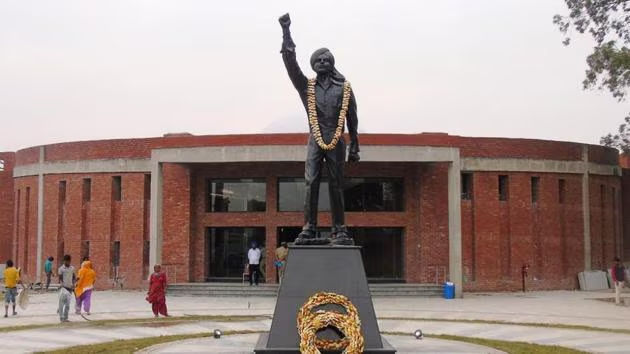
ਜ਼ਿਲ੍ਹੇ ਦੇ ਸਾਰੇ ਸ਼ਹਿਰ ਅਤੇ ਪਿੰਡ ਪੱਕੀਆਂ ਸੜਕਾਂ ਰਾਹੀਂ ਇੱਕ-ਦੂਜੇ ਨਾਲ ਚੰਗੀ ਤਰ੍ਹਾਂ ਜੁੜੇ ਹੋਏ ਹਨ। ਨਵਾਂਸ਼ਹਿਰ ਵਿਚ ਜਲੰਧਰ, ਰਾਹੋਂ ਅਤੇ ਜੈਜੋਂ ਨਾਲ ਰੇਲ ਜੁੜਾਵ ਵੀ ਹੈ। ਜ਼ਿਲ੍ਹੇ ਨੂੰ ਇਹ ਵਿਲੱਖਣ ਮਾਣ ਪ੍ਰਾਪਤ ਹੈ ਕਿ ਇਹ ਸ਼ਹੀਦ ਭਗਤ ਸਿੰਘ ਜੀ ਦਾ ਮੂਲ ਪਿੰਡ ਖਤਕੜ ਕਲਾਂ ਆਪਣੀ ਸੀਮਾ ਵਿੱਚ ਰੱਖਦਾ ਹੈ।
Nawanshahr district, officially known as Shaheed Bhagat Singh Nagar, holds a special place in the history and culture of Punjab. Located in the Doaba region between the rivers Beas and Sutlej, the district is surrounded by Hoshiarpur to the north, Rupnagar to the west, Jalandhar to the south, and Una district of Himachal Pradesh to the east. Its closeness to the Shivalik foothills gives the area a unique landscape that blends fertile plains with slightly uneven terrain. The climate is typical of north India, with hot summers, cold winters, and a moderate monsoon season that supports rich agricultural activity throughout the year.
The district was earlier known simply as Nawanshahr, meaning “new city,” and developed over centuries as a center of trade and settlement. In 2008, it was renamed Shaheed Bhagat Singh Nagar in honor of the great freedom fighter Bhagat Singh, whose ancestral village Khatkar Kalan lies within this region. This change was not just administrative but symbolic, recognizing the district’s deep connection with India’s freedom struggle. Khatkar Kalan has since become a national heritage site, housing a memorial and museum that attracts thousands of visitors every year who come to pay tribute to the martyr and learn about his life and ideals.
Administratively, the district is divided into three major tehsils: Nawanshahr, Banga, and Balachaur. Together, these tehsils include more than 470 villages, each with its own history, traditions, and community life. The villages are governed by elected panchayats, which play a vital role in rural development, social welfare, and local governance. Over time, improvements in infrastructure, sanitation, electricity, and digital connectivity have brought significant change to even the remotest parts of the district.
Agriculture forms the backbone of the economy in Nawanshahr. The fertile alluvial soil and availability of irrigation through canals and tube wells allow farmers to grow a wide variety of crops. Wheat and paddy are the main staples, but maize, sugarcane, vegetables, and pulses are also cultivated in large quantities. Dairy farming is an important secondary source of income, with many families maintaining cattle and supplying milk to cooperative societies and private dairies. The district was positively impacted by the Green Revolution, which introduced better seeds, fertilizers, and farming techniques, resulting in increased productivity and improved livelihoods.
Apart from agriculture, Nawanshahr has a strong tradition of overseas migration. Many residents have settled in countries such as Canada, the United Kingdom, the United States, and Australia. This large Non-Resident Indian population has had a visible impact on the district. Remittances sent back home have helped improve housing conditions, education standards, healthcare facilities, and overall quality of life. Modern houses, private schools, and small businesses in villages reflect the influence of global exposure combined with local roots.
The culture of Nawanshahr is deeply Punjabi, characterized by warmth, hospitality, and a strong sense of community. Punjabi is the primary language, but Hindi and English are widely understood, especially among students and professionals. Festivals like Baisakhi, Lohri, Gurpurab, Diwali, and Holi are celebrated with great enthusiasm. During weddings and village fairs, traditional folk songs, bhangra, and gidda bring life and color to everyday routines. These cultural expressions keep the spirit of Punjab alive and strengthen social bonds among people.
Religious harmony is one of the most admirable qualities of the district. Sikhism is the dominant faith, but Hindus, Muslims, and followers of other religions live side by side with mutual respect. Important religious and spiritual places include Gurdwara Charan Kanwal Sahib, Kirpal Ashram in Balachaur, Shiv Mandir in Banga, and the dargah of Hazrat Shaikh Ahmad Farid. These sites are not only centers of worship but also symbols of unity, where people of different backgrounds gather during festivals and special occasions.
Education has always been valued in Nawanshahr, and the district has made steady progress in this field. There is a wide network of government and private schools, senior secondary institutions, colleges, and industrial training institutes. Students from rural areas aspire to higher education and competitive examinations, and many go on to become teachers, engineers, doctors, soldiers, and entrepreneurs. This emphasis on learning has helped uplift families and communities across the district.
In terms of connectivity, Nawanshahr is well linked to major cities of Punjab through roads and railways. Regular bus services connect it to Jalandhar, Chandigarh, Hoshiarpur, and Rupnagar, while railway lines provide affordable travel options for daily commuters. The nearest airports at Chandigarh and Adampur make national and international travel accessible, especially for the large NRI population that frequently visits their native villages.
One of the defining features of Nawanshahr is its contribution to the nation, especially in the field of defense services. The district has produced a remarkable number of soldiers, many of whom have served with distinction in the Indian Army, Air Force, and paramilitary forces. Almost every village has families with members who have served or are currently serving in the armed forces. This tradition of bravery and discipline reflects the values passed down through generations, inspired in large part by the legacy of Shaheed Bhagat Singh.
Overall, Nawanshahr district stands as a shining example of how history, culture, and modern development can coexist harmoniously. It is a land where the memory of sacrifice fuels the dreams of the young, where fertile fields sustain the economy, and where community life remains strong despite rapid change. Shaheed Bhagat Singh Nagar is not just a district of Punjab; it is a symbol of pride, resilience, and enduring patriotism.
Area and Population
The Shahid Bhagat Singh Nagar district is one of the smaller districts of Punjab and is having an area of 1267 Sq. Km.’s consisting of population of 612310 as per 2011 census. The land of District Shahid Bhagat Singh Nagar is fertile due to the presence of river Sutlej and irrigated through tubewells and canals except some part of the Balachaur sub-division falling in Kandi Area.